
Handheld Ophthalmoscope: 2026 Clinical Comparison Guide
10/16/2026 05:14:17
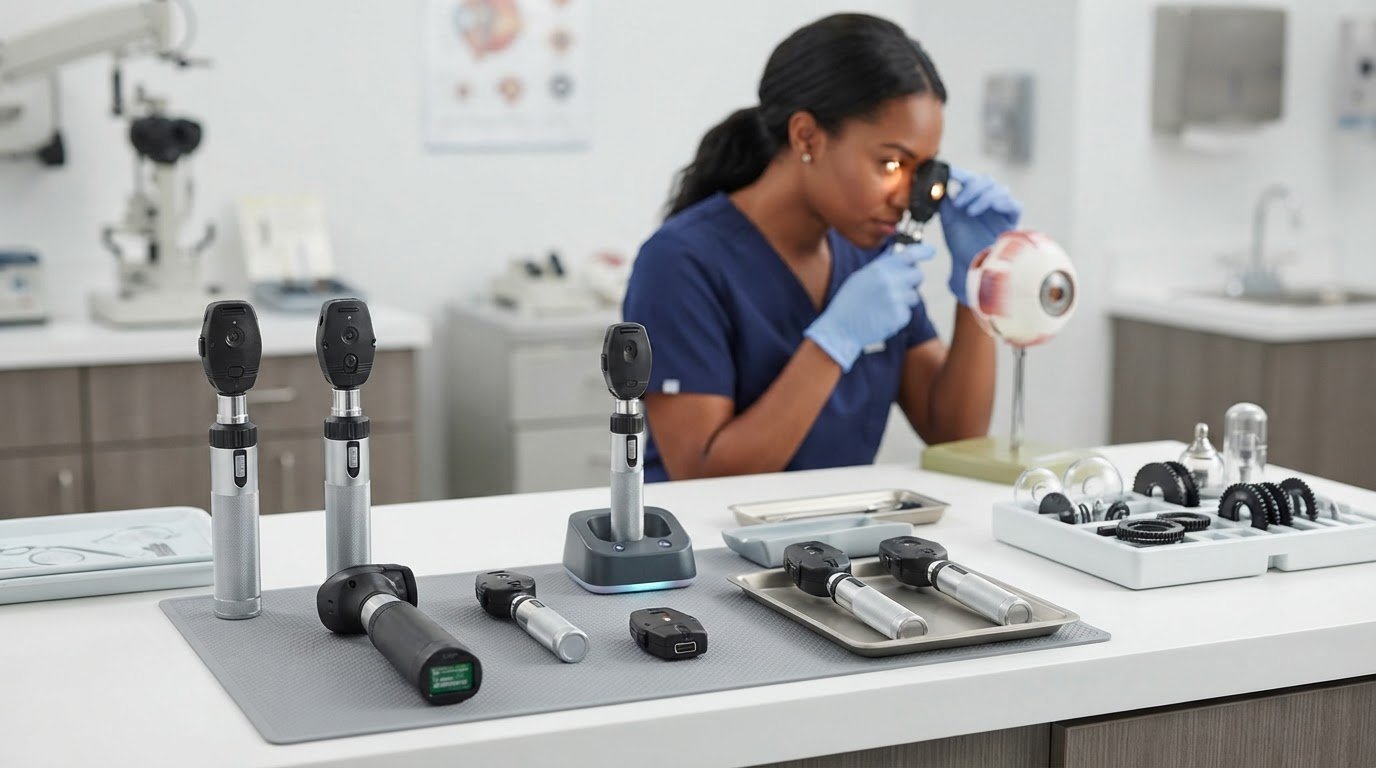
The most feature-rich ophthalmoscope isn’t automatically the best fit for your exam workflow. A search for “handheld ophthalmoscope buy online” can bring up pocket-sized direct instruments alongside head-mounted indirect designs, making product listings difficult to compare at a glance.
To narrow the options, start with intended use and compare the specifications documented for each model. Design, controls, power source, and compatibility details can affect how an instrument fits routine use, while promotional wording may not explain what matters for your setting.
This guide compares ophthalmoscope formats and outlines practical criteria for evaluating product listings. You’ll see how direct and indirect designs differ, which details can influence handling and workflow, and what to look for in handles, power, and replacement components. USA Medical and Surgical Supplies sells ophthalmoscopes through its online storefront, where you can compare product information before making a purchase.
Key Takeaways
- Start with where and how often the instrument will be used, and who will handle it, before comparing formats.
- Compare pocket, larger handheld, and combined diagnostic designs for portability, storage, handling, and fit with your setting.
- Use consistent criteria for illumination, controls, power source, and included components. Check details against the product listing and manufacturer documentation.
- When shopping for a handheld ophthalmoscope online, use a checklist to assess the use case, specifications, order details, and any information gaps.
- Follow a simple decision path from workflow to format to listing review. Features and included components vary by model.
Buying a Handheld Ophthalmoscope Online: Start With the Exam Workflow
Before comparing product listings, decide where the ophthalmoscope will be used, how often it will be handled, and who will use it. An instrument selected for a fixed outpatient room may not be the most practical choice for teaching sessions or mobile clinical work. Define the workflow first, then compare instruments against it.
This is an equipment-selection discussion, not clinical guidance. It can help you compare formats and listing details, but it doesn’t determine which examination method or instrument is appropriate for a patient. For background on the examination and its methods, see Ophthalmoscopy: An Overview.
Which clinical settings may use a handheld ophthalmoscope?
Handheld instruments may suit outpatient rooms, teaching environments, or mobile work where portability is useful. A device kept in one room may need convenient storage and ready access, while mobile work may put more emphasis on carrying and securing the instrument. In teaching, user familiarity and opportunities to practise handling may also shape the choice.
“Handheld” describes a portable format, not a guarantee that instruments share the same optical design, controls, or capabilities. Direct ophthalmoscopes are handheld; indirect instruments may use a head-mounted design. Portability alone doesn’t establish which format suits an examination. Consider equipment requirements separately from user training and clinical decisions.
What should buyers decide before comparing listings?
Use this checklist before searching “handheld ophthalmoscope buy online.” It helps narrow the comparison without treating a product listing as a guide to diagnosis or examination technique:
- Intended setting: Identify whether the instrument will stay in an outpatient room, move between teaching spaces, or travel with a mobile team.
- Users and familiarity: Note who will handle it and whether users know the controls or need time to learn the instrument.
- Frequency and portability: Consider how often it will be used and whether compact storage or easy transport matters in that workflow.
- Format and purchasing requirements: Decide whether a dedicated ophthalmoscope or a combined diagnostic instrument is a better fit. List any order, storage, or included-component requirements that affect purchasing.
A dedicated instrument may make sense when the workflow centers on ophthalmoscopy. A combined diagnostic format may suit a setting where multiple diagnostic functions are useful, but the product listing should make clear what the specific instrument includes. Don’t assume two products described as handheld have the same components or functions. Compare the stated details for each model instead of relying on a category label.
For a broader framework covering instrument types and purchase considerations, consult this ophthalmoscope buying guide. The intended workflow should guide your online comparison because the right format depends on the setting, users, and practical requirements of the exam routine.
Handheld Ophthalmoscope Formats: Compare Pocket and Combined Designs
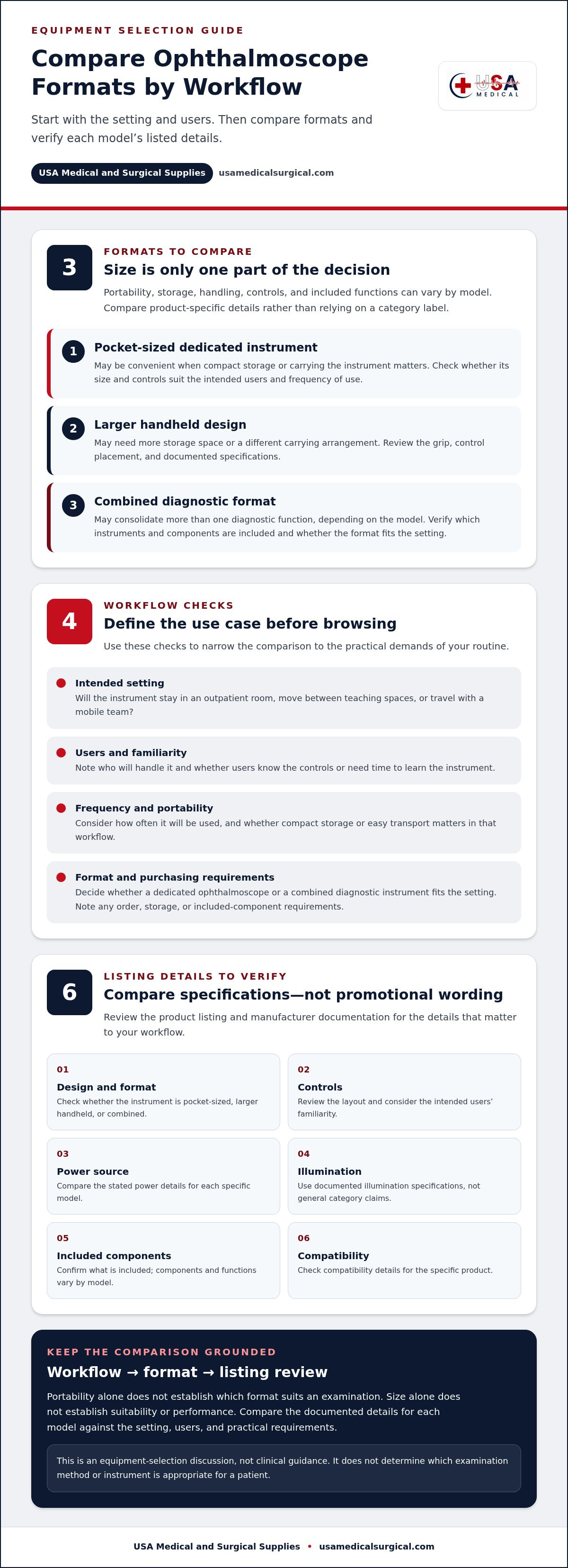
Handheld ophthalmoscopes aren’t all designed the same way. A pocket-sized instrument, a larger handheld design, and a combined diagnostic format can differ in portability, storage needs, controls, and included functions. Compare each format with the practical demands of your setting, then review model-specific details rather than assuming size predicts examination performance.
Direct and indirect ophthalmoscopy refer to different examination approaches, not simply small versus large devices. For a patient-focused overview of both, see MedlinePlus’s Understanding Ophthalmoscopy. The comparison below focuses on buying considerations, not clinical selection or instruction.
| Format | Portability and storage | Handling and workflow | Useful comparison points |
|---|---|---|---|
| Pocket-sized dedicated instrument | May be convenient when compact storage or carrying the instrument matters. | Consider whether its size and controls suit the intended users and frequency of use. | Review listed dimensions, weight, power source, illumination, and included components. |
| Larger handheld design | May require more storage space or a different carrying arrangement. | Assess the grip, control placement, and handling preferences using the details and images in the listing. | Compare the stated optical and control specifications, not size alone. |
| Combined diagnostic format | Can consolidate more than one diagnostic function in a single instrument, depending on the model. | Consider whether the added function fits the setting and will be used by the intended users. | Check which instruments and components are included, and review compatibility details for that specific product. |
Pocket-sized versus larger handheld instruments
A compact format may suit a workflow where the instrument needs to be carried or stored in limited space. A larger design may fit a different handling preference or storage setup. Neither size alone establishes suitability or performance. If dimensions and weight matter to your decision, compare the manufacturer-listed measurements for each model. Don’t infer them from product photos or general labels such as “portable.”
Handling is personal and practical. Review the listing for control layout and other documented details, and consider whether the intended users are familiar with that style of instrument. If descriptions don’t provide enough information to compare a requirement, record it as unknown rather than filling the gap with assumptions.
Dedicated ophthalmoscopes versus combined diagnostic instruments
A dedicated ophthalmoscope keeps the comparison focused on one instrument function. A combined diagnostic instrument may reduce the number of separate devices a setting needs to store, but only if its additional function is relevant to that workflow. For example, a combined ophthalmoscope and otoscope brings two diagnostic functions together. Check the listing for exactly what’s included, since combinations can differ in components and compatibility.
Before you buy a handheld ophthalmoscope online, compare illumination and power details as published for each model. These can vary, so don’t assume a pocket or combined design uses a particular power source or illumination type. Browse the ophthalmoscope selection and compare each listing’s documented details with your requirements.
How to Compare Handheld Ophthalmoscope Specifications Before Buying
Once you’ve narrowed the format, compare the details that affect everyday handling and readiness. Product labels alone don’t tell you how illumination is controlled, what power arrangement is required, or which components come in the package. Use the product listing and manufacturer documentation as the basis for each comparison.
Compare published specifications, not features assumed to apply to every model.
| Specification | What to compare | Why it matters to the workflow |
|---|---|---|
| Illumination | Listed illumination type and any documented settings or controls. | Clarifies what the instrument’s listing specifies and how users operate its controls. |
| Aperture and lens controls | Named aperture options, lens adjustments, and how controls are described. | Helps users compare control layout and familiarity without assuming optical performance. |
| Power source | Stated battery or other power arrangement, plus any documented charging method. | Shows what the setting needs to keep the instrument ready for routine use. |
| Included components | Listed handle, charger, accessories, and any specified compatible components. | Helps distinguish what comes with the instrument from items that may be separate. |
Illumination and examination controls
Start with the exact illumination type named in the listing. If a model specifies control options, compare those descriptions across products and consider whether intended users can operate them comfortably. Review aperture and lens details when the listing or manufacturer documentation provides them. Don’t infer brightness, image quality, or examination performance from a broad label or marketing phrase.
Control descriptions can help distinguish how instruments are operated, but they don’t replace clinical training or determine which examination method is appropriate. If a listing omits a detail your team considers essential, mark it as unknown rather than treating a similar product’s specifications as a substitute.
Power source, handles, and included components
Check the stated power source and charging method for each instrument. Don’t assume a particular battery type, charging arrangement, or operating time based on the format. Documented power details can help your team plan routine readiness, especially when several users share equipment. Compare battery life only when the manufacturer provides that information.
Then review what the package includes. Confirm whether the listing names a handle, charger, or accessories, and note any compatibility details supplied by the manufacturer. Replacement needs matter where documentation identifies a replaceable component or requirement. Don’t add expected extras to your comparison when they aren’t specified.
For a handheld ophthalmoscope purchase online, make a side-by-side record of each listing’s stated details. Mark information as documented, absent, or unclear. This prevents assumptions from turning into purchase criteria. Before ordering, match the published specifications and included components to your workflow, and use manufacturer documentation for technical details the listing doesn’t explain.
How to Buy a Handheld Ophthalmoscope Online With Confidence
Online listings are easier to compare when you use the same criteria for each option. Start with the needs you’ve identified, then separate documented product facts from details that are absent or unclear. This keeps promotional wording from standing in for specifications and helps you review order terms before checkout.
A practical pre-order checklist
Work through these steps in order. Record key details as you go so differences between listings are easy to see.
- Define the use case. Note the intended setting, users, frequency of use, and portability needs. Confirm that the format you’re considering fits those practical requirements.
- Compare specifications. Use the same criteria for each model, such as illumination, controls, power source, and manufacturer-documented compatibility details. Don’t fill gaps with assumptions based on the product category.
- Review included components. Check the listing for the instrument, handle, charger, and accessories included with that specific option. Distinguish included items from separately described compatible components.
- Assess order details. Review the displayed product condition, shipping information, and return terms. Read the details shown for the item and order before completing checkout.
How to assess listing details and documentation
Give greater weight to specific, clearly stated information and manufacturer documentation than broad promotional language. For example, a precise description of a power source is more useful for comparison than a general claim about convenience. If an important detail is missing, mark it as unknown. Don’t treat silence as confirmation or transfer specifications from a similar instrument to the one you’re reviewing.
Compare like with like. If one listing provides dimensions and another doesn’t, note the difference in available information instead of guessing the second instrument’s size. Apply the same approach to included accessories, compatibility, and product condition. The ophthalmoscope buying guide offers broader category-selection context to support your comparison.
Before ordering, make sure the product details match your intended requirements and review the order information displayed for the purchase. When several products provide different levels of detail, list each criterion, note what the source states, and flag anything you can’t verify in the listing or manufacturer documentation.
Ready to compare options? Browse available ophthalmoscopes and review the information on each product listing. A careful handheld ophthalmoscope online purchase means matching documented specifications and order details to your workflow, not relying on a product label alone.
Choose and Order a Handheld Ophthalmoscope for Your Practice
Bring the comparison together by moving from workflow to format, then from documented specifications to the details shown at checkout. This gives you a practical way to narrow options without assuming instruments with similar labels have the same features. Keep the intended users and setting at the center of the decision.
Match the final choice to the intended workflow
Use this decision path to connect the day-to-day need with the product information:
- Start with the setting. Note whether the instrument will stay in one room or move between locations. If it needs to travel, weigh portability against the specifications your workflow requires rather than choosing by size alone.
- Consider who will use it. For shared clinical use, compare documented controls and handling details that matter to the users. A familiar control layout may be a practical preference, but don’t assume it from a product photo or category description.
- Select a format. Decide whether a dedicated ophthalmoscope or a combined diagnostic instrument better fits the tasks and storage arrangements in your setting. Combined formats vary, so review the functions and components stated for each model.
- Check the listing against your criteria. Compare published specifications, included components, and stated compatibility details. Treat absent information as unknown instead of assuming the product has a feature because another model does.
Features, power arrangements, and included components are model-specific. Before deciding, make sure the listing and manufacturer documentation support the details that matter to your intended use. If a requirement cannot be matched to stated information, pause the comparison rather than filling the gap with an assumption.
Browse available ophthalmoscopes online
USA Medical and Surgical Supplies sells ophthalmoscopes through its online store. Review the category and use the details on each product listing to compare options with your workflow. Specifications and included components can differ from one model to another, so check the information displayed for the item you’re considering.
A considered handheld ophthalmoscope purchase online doesn’t depend on a single headline feature. Follow a clear sequence: define the setting and users, choose a suitable format, compare documented specifications, and review the listing before ordering. This keeps the decision tied to practical requirements rather than promotional claims.
Browse ophthalmoscopes online and compare the available listing information to identify an instrument that aligns with your practice’s workflow.
Make Your Next Instrument Purchase a Clear One
Turn your comparison into a practical reference for the next equipment purchase. Note the requirements that matter to your team, then use the same criteria when evaluating future listings. This creates a consistent process for individual decisions and shared purchasing without relying on a product label or promotional claim to fill in missing details.
If you’re ready to buy a handheld ophthalmoscope online, use your workflow requirements as the final filter. USA Medical and Surgical Supplies sells ophthalmoscopes through its online store, where you can review product information and compare options.
Browse handheld ophthalmoscopes and compare the listing details to make a considered choice for your practice. A clear comparison can make the purchase process more manageable and help you move forward with confidence.
Frequently Asked Questions
Can a handheld ophthalmoscope be used by both students and clinicians?
Yes, a handheld ophthalmoscope may be used by students and clinicians if the instrument suits the intended training or clinical setting. A student practising under instruction may prioritize learning the controls, while a clinician may focus on fit with routine workflow. The instrument itself doesn’t replace training or supervision. Check the manufacturer’s intended-use information, and follow the education program or workplace requirements for use.
Do all handheld ophthalmoscopes use the same batteries or charging system?
No, power arrangements can differ between models. One instrument may use replaceable batteries, while another may have a rechargeable power system. Before purchasing, identify the exact model and review its manufacturer documentation for battery type, charging method, and stated power requirements. Don’t assume a charger or battery used with one instrument will work with another, even if both are described as handheld.
Can one handheld ophthalmoscope be shared among multiple users?
Yes, a practice or teaching environment can share an instrument if its workflow supports shared access. Plan where it will be stored, how users will know it’s ready for use, and how the workplace’s cleaning procedures apply between users. Also consider whether users can operate the same controls confidently. Follow the manufacturer’s care instructions and your facility’s infection-control protocols rather than improvising cleaning steps.
Are handheld ophthalmoscopes appropriate for home eye examinations?
A handheld ophthalmoscope isn’t a substitute for a comprehensive eye examination by a qualified clinician. Owning one doesn’t ensure that someone can perform or interpret an examination correctly, and it shouldn’t be used to diagnose an eye condition at home. If you’re considering an instrument for professional work outside a clinic, base the choice on your training, intended use, and the manufacturer’s stated information.
How can I check whether an ophthalmoscope handle or accessory is compatible?
Check compatibility against the exact instrument model, not just the product category or brand family. Review the product listing and manufacturer documentation for supported handles, accessories, and model identifiers. If the information doesn’t clearly match the item you’re considering, treat compatibility as unresolved rather than assuming parts will fit. This is especially useful when replacing a component or comparing a listing that includes accessories.
Is a rechargeable handheld ophthalmoscope better than a battery-powered one?
Neither option is automatically better. A rechargeable model may suit a setting with an established charging routine, while a battery-powered option may fit a workflow organized around the power arrangement specified by its manufacturer. Compare the stated charging or battery requirements with how the instrument will be stored and used. When buying a handheld ophthalmoscope online, use model-specific documentation rather than assuming runtime or convenience.