
Medical Scrubs and Clinical Apparel for Every Wardrobe
11/20/2026 05:00:39
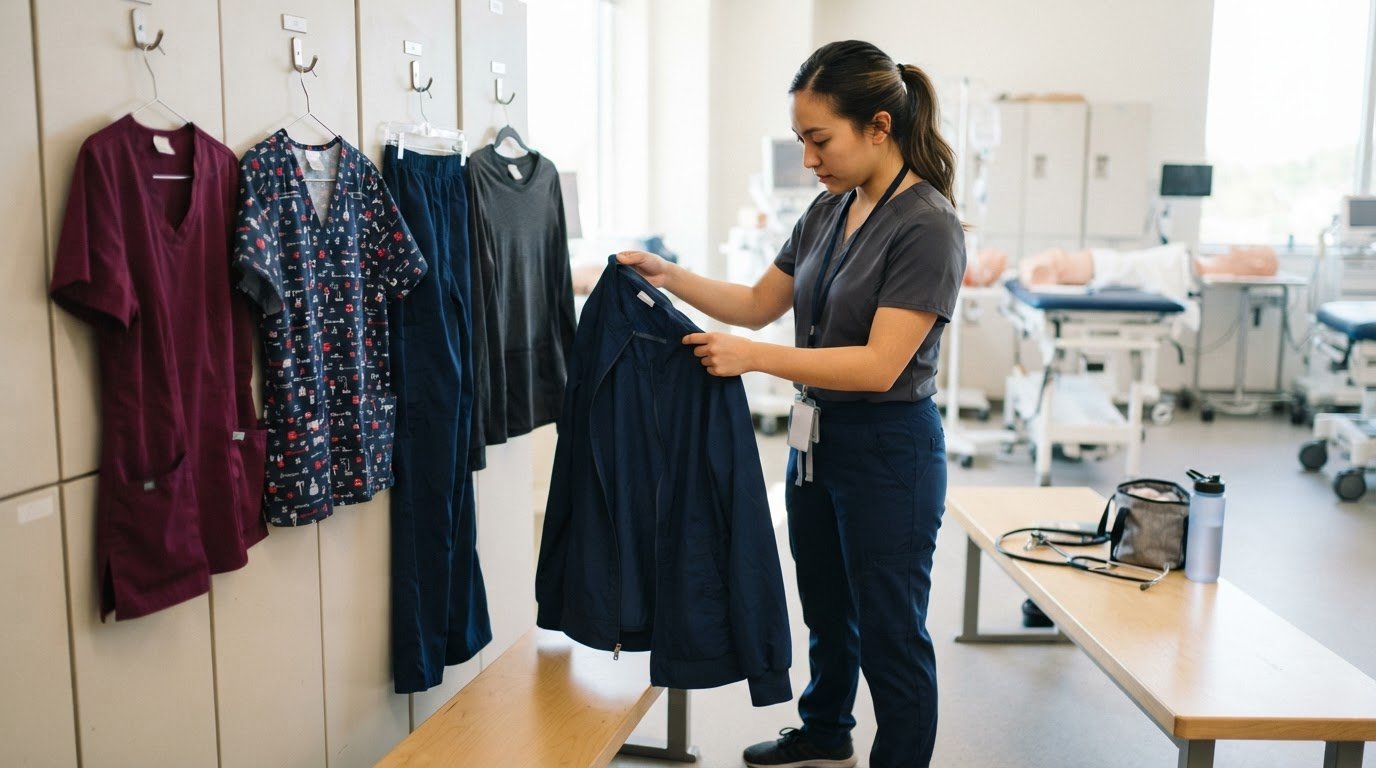
The lowest price isn’t the only thing to consider when choosing medical scrubs and clinical apparel. Color, print, cut, and the kind of workwear you need all shape whether a piece suits your routine, while discounts and promotional offers can influence what you choose.
Look for value while keeping practical requirements in view. Your wardrobe may include different pieces for different shifts, roles, or preferences, so listing what you need can make browsing more focused.
This guide covers scrub colors and prints, apparel styles for women and men, and options for students. It also explains how to approach discounts and promotional offers as you compare choices, so you can focus on the styles and pieces that fit your needs.
Key Takeaways
- Consider how scrub colors and prints fit your workplace expectations and personal preferences before narrowing your choices.
- Explore women’s tops, pants, jackets, and underscrubs as separate wardrobe options, each serving a different purpose.
- Compare styles designed for women, men, and students to find apparel suited to your role and daily routine.
- Learn what apparel flammability requirements the U.S. Consumer Product Safety Commission identifies under the minimum standard.
- Review promotional offers alongside the styles and apparel categories you need when browsing online uniform stores.
Scrub colors and prints
Scrub colors and prints shape how uniforms look across a team. Compare available shades, patterns, and fits with your workplace’s dress expectations.
Color Choices Across Scrub Brands
Scrub brands may offer different combinations of colors, prints, and fits. A V-neck top, straight-leg pant, or fitted jacket may come in different shades within a brand’s range. Check the color options for each piece rather than assuming a top and pant are available in the same shades.
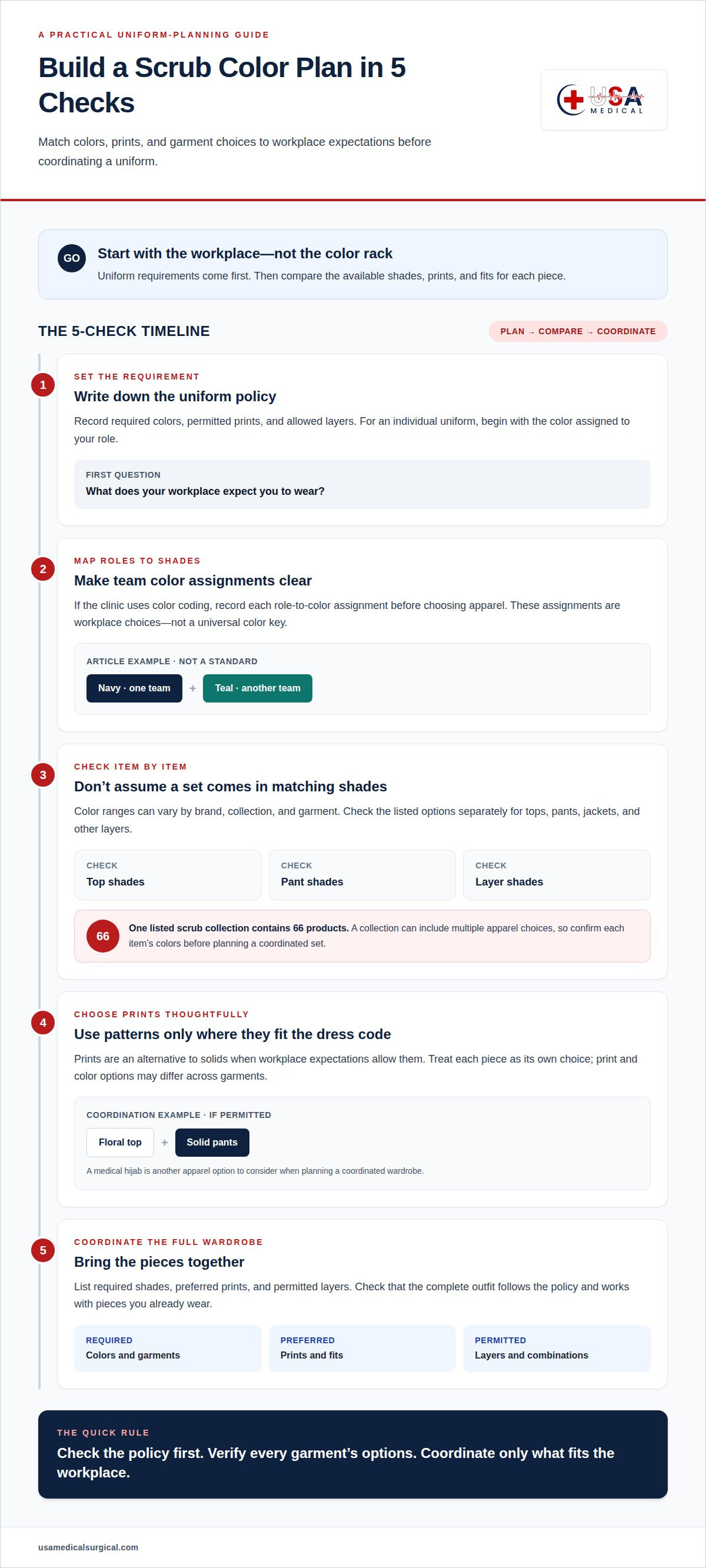
Start with your workplace’s uniform requirements, then narrow your choices by fit and print. A team, for example, may prefer solid navy tops while allowing printed scrub caps or undershirts. If you’re choosing for yourself, consider whether a color works with pieces you already wear. A clear uniform plan can help teams make consistent choices.
Colors in Scrub Collections
Collections group apparel by a shared style or selection, but their color ranges can vary. One listed scrub collection contains 66 products, illustrating how a single collection can include multiple apparel choices. Look at the available colors for each item, including tops, pants, and layers, before planning a coordinated set.
Prints offer an alternative to solid-color uniforms. For example, pair a floral top with solid pants if both suit the workplace’s dress code. A medical hijab is another apparel option to consider when planning a coordinated wardrobe. Treat each color and print as a separate choice, since options can differ from one piece to another.
Role-Based Color Coding
Color-coded uniforms can distinguish roles within a clinic or care team. A workplace might assign one color to nurses and another to support staff, using solid tops to make the distinction visible. These assignments are workplace choices, not a universal color key. Follow your local uniform policy when selecting a shade.
For a team, record the role-to-color assignments before choosing apparel. A clinic could, for example, assign navy to one team and teal to another, then use the same shades across tops and pants. Keep prints within the policy if staff roles need to be easily identified. For an individual uniform, start with the color assigned to your role.
Color also affects how a wardrobe works across shifts. List required shades, preferred prints, and permitted layers before choosing garments. This can prevent mismatched uniforms and help you select apparel that fits both your role and workplace expectations.
Women's scrub tops, pants, jackets, and underscrubs
Build a scrub wardrobe by matching each garment to its use. Tops and pants form the main uniform, while jackets, underscrubs, and lab coats add layers. Compare cuts, coverage, and workplace requirements before putting together an outfit.
For women’s scrubs, start with the top’s neckline, sleeve shape, and fit. A V-neck offers a familiar profile, while other necklines create a different look. Pair the top with pants that feel comfortable for the movements your role requires. A matching set simplifies coordination; separate pieces offer more flexibility with colors and prints.
Check the fit of pants separately. Straight-leg and wide-leg cuts create different silhouettes, so consider how each pairs with your preferred top. Review the garment’s size information and fit description instead of relying only on the size label. If your workplace requires a particular uniform appearance, choose compatible colors and cuts for the full outfit.
A scrub jacket adds a layer over a top. Consider when you’ll wear it, how it fits over your scrub set, and whether its color follows workplace expectations. An underscrub goes beneath a scrub top and can add coverage without replacing the outer uniform. Choose one that fits comfortably under the top and suits your work setting.
Use the same practical approach when choosing men’s apparel. Compare scrub tops and pants as separate pieces, then consider whether a coordinated set better suits your routine. A V-neck top and straight-leg pants are examples of common garment descriptions, not substitutes for checking the actual cut and sizing. Jackets and underscrubs can complete an outfit when extra layers suit the setting.
Lab coats are a separate apparel category. They go over work clothing, so consider how a coat fits over the scrub top and pants beneath it. Keep its intended use and workplace dress expectations in view. A scrub jacket and lab coat are not interchangeable: choose the garment that matches the role and required coverage.
Follow a simple selection sequence. First, identify the required garments, such as a top, pants, and lab coat. Next, compare fit descriptions and size information for each piece. Then coordinate colors and decide whether you need a jacket or underscrub. Apply the same steps to women’s and men’s styles, choosing cuts that suit your fit preferences.
For a comfortable uniform, consider movement and layering together. A close-fitting underscrub may feel different beneath a relaxed top than under a fitted one. Jacket sleeves and pant legs also affect how the complete outfit sits. Review each piece as part of the full set instead of choosing tops, pants, and layers in isolation.
Women’s, men’s, and student scrubs
Scrub styles vary in cut, pocket layout, and intended wearer. Compare those details with your workplace dress code and daily tasks.
Women's Scrub Styles
Women’s medical scrubs include tops and pants in different cuts. Compare neckline, sleeve shape, and fit descriptions before selecting a set. A V-neck top paired with straight-leg pants is one example of a coordinated style. Check how the pieces fit together, especially if you prefer a relaxed silhouette or need room for layering.
Pocket placement can also guide your choice. Compare, for example, a top with a chest pocket and one with lower pockets. Think about what you carry during a shift and where you prefer to reach for it. Check each garment’s listed pocket layout instead of assuming it from the style name.
Fit labels are a useful starting point, but the sizing details matter more. Review the measurements and fit guidance for each garment. Tops and pants in different styles may fit differently, even when they share a size label. For a coordinated outfit, compare the pieces separately before choosing a set.
Men's and Student Scrubs
Men’s scrub selections can include different top necklines and pant cuts. Compare, for example, a V-neck top with straight-leg pants, then check pocket placement and fit. Students can use the same approach while following their school or placement uniform requirements. Choosing pieces by category makes it easier to find options suited to the role.
For student uniforms, start with the required color and garment types. Then compare tops, pants, and permitted layers. A student who needs a plain top can prioritize that requirement before considering prints or optional features. This order helps avoid choosing a style that conflicts with placement expectations.
Assess men’s and student styles using the same practical criteria: fit, coverage, pockets, and compatibility with the required uniform. One wearer may prefer a straight pant cut, while another may want a different shape. Review each garment’s description rather than relying on a broad category label.
Use this short selection sequence for any wearer:
- Identify required garment types and colors.
- Compare fit descriptions, measurements, and pocket placement.
- Choose matching tops and pants, or select separate pieces.
- Check that each style meets workplace or school expectations.
For example, a student choosing a top and pants can first confirm the required uniform color, then compare the top’s pockets and the pants’ cut. A working clinician can follow the same steps and add any required layers. This keeps the selection focused on actual requirements, not style labels alone.
Are medical scrubs required to meet any U.S. safety or infection-control standards?
In the United States, apparel has a minimum flammability standard. According to the U.S. Consumer Product Safety Commission, textiles used in apparel must meet class 1 or 2 flammability requirements under the minimum standard. This addresses flammability, not a scrub’s ability to prevent infection.
Keep uniform appearance separate from infection-control performance. A garment’s color, cut, or clinical look does not establish how it performs. For example, a printed scrub top and a solid-color top are both apparel choices; neither description specifies how to handle the garment after use.
Infection-control procedures are separate from apparel flammability requirements. A clinic or care facility may set its own rules for workwear, laundering, and garment use. Follow the procedures that apply to your workplace, including its stated process for handling clothing worn during clinical duties.
When assessing a scrub garment, consider three separate questions: what the minimum apparel standard covers, what your workplace requires, and what the garment instructions say. The first concerns flammability; the second may cover uniform selection or handling procedures; the third explains care directions for the individual item.
Care labels give practical guidance for maintaining apparel. Read the garment’s directions before washing, drying, or storing it. If a scrub top and underscrub have different care instructions, treat them as separate items rather than assuming they can be cared for in the same way.
Workplace policy also shapes appropriate apparel choices. A clinic may specify a uniform color, limit garment types, or explain how staff should handle work clothing. Requirements can differ by facility and role. Students in clinical placements should follow the placement’s stated uniform and clothing procedures.
Do not confuse flammability compliance with claims about antimicrobial treatment, fluid resistance, or infection prevention. These terms describe different product characteristics. Look for clearly stated garment features, and don’t treat a general label such as “medical scrub” as proof of a specific protective function.
Use a straightforward selection process. First, identify the uniform and handling rules that apply to your workplace. Next, read the garment description and care label. Then choose apparel that fits the requirements and the role. If two options look similar, compare their stated details instead of relying on color or style alone.
For teams, clear instructions help staff distinguish apparel requirements from handling procedures. A written policy can identify approved garments and explain how to manage work clothing. Keep the flammability standard and infection-control practices separate, since each addresses a different safety question.
Online uniform stores for clinics
Online uniform stores let clinics browse apparel categories and order digitally. Start with workplace requirements, then compare garment details, order terms, and shipping information.
Begin with a written list of required pieces, such as scrub tops, pants, jackets, or lab coats. Add approved colors and any role-specific rules. If a clinic needs navy tops, for example, that requirement can narrow the selection before you compare individual garments.
Review product pages one item at a time. Compare the garment name, available sizes, fit details, and color options. Check tops and pants separately, even when building a matching set. Similar labels don’t guarantee that different garments have identical cuts.
For team orders, organize selections by role or garment type. An order sheet can record each wearer’s size, chosen item, and required color, helping identify missing pieces before checkout. Separate rows for tops and pants, for example, make it easier to spot an incomplete uniform set.
Order terms matter too. Review shipping information, return conditions, and any order thresholds before purchasing. These details help clinics plan an order and understand the applicable return terms.
- List required garments and workplace colors.
- Record each wearer’s size and selected pieces.
- Compare item details before adding products.
- Review shipping and return terms before checkout.
For repeat orders, keep a record of the garment names and sizes selected. A shared document can help staff reorder matching pieces without relying on memory. If an item changes, compare its current description with the saved selection before adding it to the order.
Individual buyers can use the same steps on a smaller scale. A student, for example, can identify placement requirements, choose the required top and pants, then review each item’s fit and care information. Checking the full selection before checkout can help avoid a missing garment or mismatched color.
Treat online checkout as the final step. Confirm the cart contains the intended sizes, colors, and quantities, then review the order summary and applicable terms. For clinic teams, having one person coordinate the final list can help prevent duplicate entries from separate orders.
Use these steps to organize a clinic uniform purchase and explore uniform options.
USA Medical and Surgical Supplies
USA Medical and Surgical Supplies offers Medical Apparel through its online catalog, alongside other medical supplies. Browse the apparel when you’re ready to compare clinical clothing, or explore Blood Pressure Devices, Dopplers, ECG Machines, and ECG Electrodes when sourcing equipment as well.
Use the garment requirements from your workplace or clinical placement to guide your selection. Then browse the apparel options and review each item’s details to find pieces that suit your needs. For readers building a broader clinical supply order, the additional diagnostic categories provide relevant equipment options too.
Contact USA Medical and Surgical Supplies to discuss your medical apparel needs.
Plan your next apparel purchase
Plan your next uniform around the full working day. Consider which pieces you’ll wear together, how they suit your role, and whether your workplace has specific apparel requirements. A clear plan helps you choose medical scrubs and clinical apparel for your routine instead of selecting garments without considering how they work together.
USA Medical and Surgical Supplies also offers Blood Pressure Devices, Dopplers, and ECG Machines for customers sourcing clinical equipment alongside apparel. Plan those needs separately, then focus each purchase on the items that suit your setting.
When you’re ready to discuss your needs, contact USA Medical and Surgical Supplies. Take the next step at your own pace, with your apparel priorities clearly in view.
Frequently Asked Questions
What types of medical scrubs and clinical apparel are available?
Common options include scrub tops, pants, jackets, underscrubs, and lab coats. Some selections are organized by wearer, including women’s, men’s, or student styles. Decide whether you need a complete set or individual replacements. For a mixed wardrobe, list each required item separately to help choose compatible colors and sizes without overlooking an extra layer.
What fabrics and features make scrubs comfortable, durable, and easy to clean?
Compare each garment’s stated fabric composition and care instructions. The care label guides washing and drying, while fabric content helps you assess whether the material suits your preferences. Review construction details in the product description, such as pocket placement or closures. If you rely on a particular feature at work, confirm it is listed in the garment’s specifications.
How much do medical scrubs cost in the United States?
Scrub prices vary by garment type, brand, material, and order quantity. A top, pant, jacket, and complete set are different purchases, so compare like items. Promotional offers may also affect the final amount. To plan your budget, total the specific pieces you need and review each item’s current price and offer before checkout.
Which brands offer the best medical scrubs for healthcare workers?
No single brand suits every healthcare worker. Start with workplace requirements, then compare garment fit information, available styles, and care instructions. A brand that suits one person’s preferred cut may not suit another’s. For team purchases, prioritize consistent sizing information and uniform requirements, then choose pieces that meet them.
How do popular scrub brands compare in fit, quality, and price?
Compare the same garment type across brands, such as V-neck tops or straight-leg pants. Review size guidance and stated construction details, then consider whether the care instructions suit your routine. Price comparisons are most useful when the items serve the same purpose and include similar pieces. Judge garments by their listed details rather than brand name alone.
How should you choose the right scrub size and fit?
Use the size chart for each garment instead of relying on your usual clothing size. Measure as the chart directs and compare the result with the listed range. Check tops and pants separately, since sizing can differ between styles. If you plan to wear an underscrub, consider that layer when deciding how the outer top should fit.
Do hospitals and clinics have rules about scrub colors, styles, and uniforms?
Hospitals and clinics may set their own uniform requirements. Check your dress policy for approved colors, garment types, and role-specific distinctions before buying. Students should follow their clinical placement’s instructions, while staff should use their facility’s current policy. If a policy names a particular shade or style, use it to guide your apparel choices.
Where can you buy medical scrubs and clinical apparel locally or online?
Online medical suppliers make it convenient to browse apparel by category and place an order. USA Medical and Surgical Supplies offers Medical Apparel through its online catalog to customers across the United States. Gather the garment types, sizes, and colors you need, then review item details and checkout terms. This approach can also help organize purchases for multiple wearers.